Rodent Proofing Homes: A Practical Guide to Keeping Mice and Rats Out
Why Rodent Proofing Matters More Than You Think
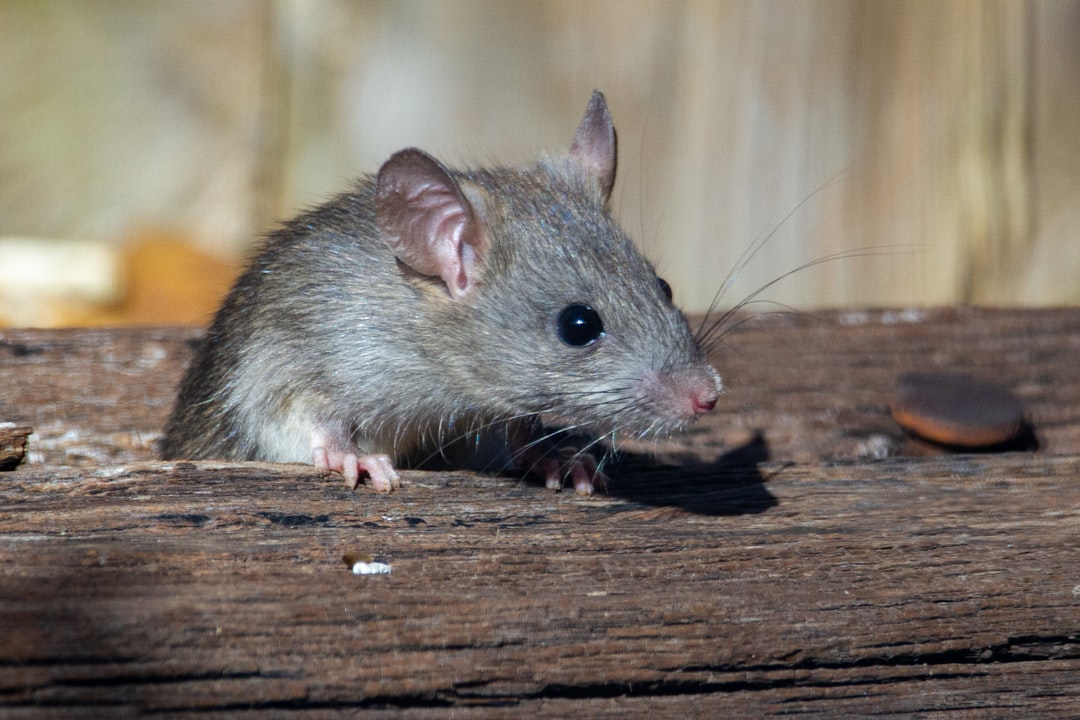
I have spent years working in pest control, and if there is one thing I have learned, it is that rodents are not just a nuisance. They are a genuine threat to your property and your health. Mice can squeeze through gaps the size of a pencil, and rats can gnaw through lead sheeting. The average homeowner often does not realize how vulnerable their house really is until they hear scratching in the attic at night. That is why rodent proofing homes has become a core part of what we do at Hiwassee Pest Control in Cleveland TN. It is not about just setting a few traps and hoping for the best. It is about a systematic approach that combines trapping techniques with long-term exclusion services.
Think of your house as a fortress. Every tiny crack, every loose vent, every gap where a pipe enters the wall is a potential door for an invader. Once rodents get inside, they breed fast. A single pair of rats can produce hundreds of offspring in a year. They chew wires, which creates fire hazards. They contaminate insulation with urine and droppings, which can spread diseases like hantavirus and salmonella. The cost of repairing that damage often dwarfs the cost of prevention. That is where a proper rodent proofing plan comes in.
Finding the Weak Spots
The first step in any rodent proofing strategy is a thorough inspection. You have to think like a rodent. Where would you try to get in? Usually, the answer is near the ground, but rats are excellent climbers and will happily use roof vents or gaps in the eaves. I have seen them climb ivy right up to a second-story window. The most common entry points I find are around sill plates where the wooden frame sits on the foundation, garage gaps where the door does not seal flush with the concrete, and any place where soil touches the siding. That soil-to-siding contact is a highway for rodents. They burrow down and then chew through the wood or squeeze under the siding.
During an inspection, we look for signs like droppings, gnaw marks, rub marks along baseboards, and actual holes. A hole the size of a quarter is big enough for a rat. For a mouse, a hole the size of a dime is plenty. It is shocking how many people ignore a small crack in the foundation, thinking it is harmless. It is not. Over time, that crack widens, and rodents enlarge it with their teeth. A chipping saw might be needed to cut out rotted wood and create a clean surface for repairs, but that is a later step.
Exclusion: The Real Solution
After you know where the rodents are getting in, you have to seal those gaps. This is the heart of exclusion services. You do not just want to kill the rodents that are inside right now. You want to make sure no new ones can get in. That is what sets professional rodent proofing apart from a weekend of caulking. The materials matter a lot. Standard caulk or expanding foam from the hardware store is often not enough. Rodents chew through it like butter. You need something tougher.
For small gaps and cracks, I recommend copper mesh. It is like steel wool but it does not rust, and it does not stain siding. You stuff it into the hole, and the rodents cannot chew through it. For larger openings, galvanized steel mesh is the way to go. You cut it to size and fasten it over vents, under decks, and around pipes. It is strong enough to resist gnawing and lasts for years. For gaps around windows and doors, you use sealants that are specifically labeled as rodent-resistant. These sealants stay flexible and bond well to masonry and wood.
One area that gets overlooked all the time is the roof. Roof vents, turbine vents, and the gap where the siding meets the roofline are prime entry points for squirrels and rats. I have seen entire colonies living in attics because someone forgot to put a vent cover over a bathroom fan exhaust. A simple piece of galvanized steel mesh over that vent would have saved them thousands in cleanup and repairs.
Trapping: A Necessary Part of the Process
Exclusion is the long-term solution, but it does not work if you seal the rodents inside. You have to remove the animals that are already living in your home first. That is where trapping techniques come in. There is a lot of debate about the best way to trap rodents. Some people swear by snap traps, others prefer live traps, and some professionals use multi-catch traps for mice. Each has its place. But the most effective method I have found for larger infestations is the use of one-way doors. These are devices that let rodents exit a building but prevent them from re-entering. You set them up over the main entry points after you have sealed everything else. The rodents leave at night to forage, and they cannot get back in. It is a humane and highly effective method.
One-way doors work especially well for rats and squirrels in attics. You have to be careful with the timing, though. If you seal the door during the day when the mother is out foraging and there are babies inside, you will have a dead animal smell problem in a few days. That is why we always do a thorough inspection first to check for nests and young. It is a judgment call that comes with experience.
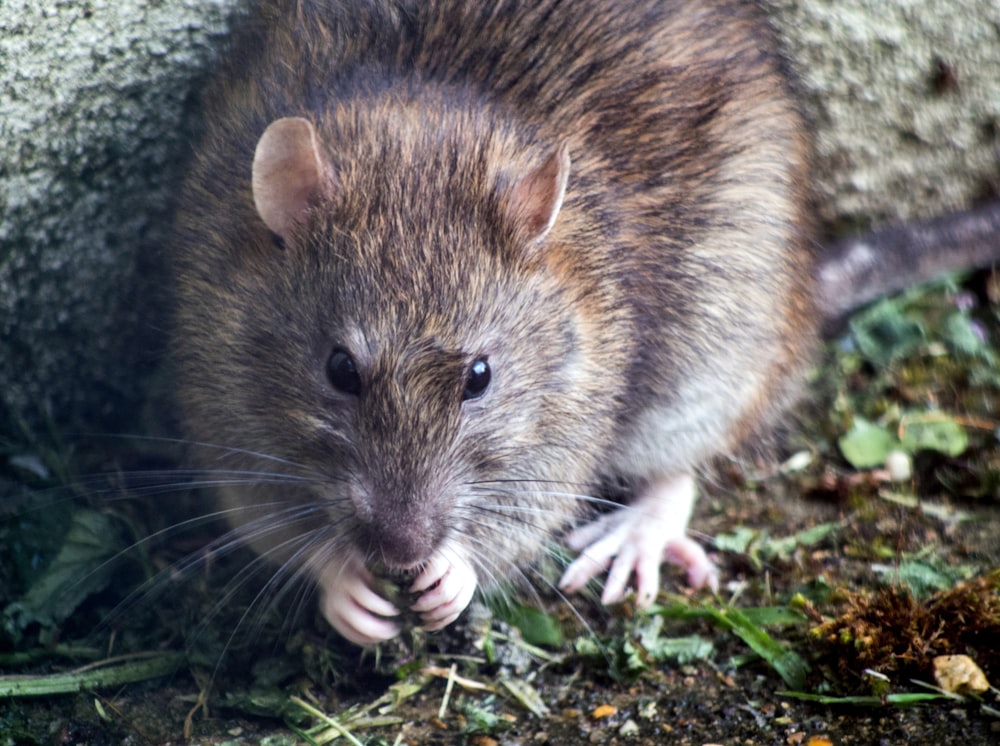
Rodenticides are sometimes used, but I do not recommend them for most homeowners. They can be dangerous to pets, children, and non-target wildlife. A poisoned rodent might die inside a wall, and you will have a horrible smell for weeks. Also, predators like owls and hawks can be secondary poisoned if they eat a dying rodent. Integrated pest management, or IPM, emphasizes using the least toxic methods first. Trapping and exclusion are always preferred over poisons. If rodenticides are absolutely necessary, they should only be used in tamper-resistant bait stations placed outside, far from any water sources or wash stations.
Reinspection: The Final Check
Rodent proofing is not a one-and-done job. It requires reinspection. After you have sealed all the entry points and removed the rodents, you need to come back in a few weeks and check again. Sometimes a new gap opens up because of settling or weather. Sometimes a rodent that was hiding inside finds a way out and then tries to get back in through a different spot. A reinspection catches these issues before they become a full-blown infestation. At Hiwassee Pest Control, we schedule a follow-up visit about a month after the initial work. It gives us peace of mind and it gives the homeowner confidence that the problem is truly solved.
I tell my clients in Cleveland TN that rodent proofing homes is not a luxury. It is a basic maintenance task, like changing your furnace filter or cleaning your gutters. The cost of prevention is a fraction of the cost of a major infestation. A few hundred dollars spent on copper mesh, sealants, and a professional inspection can save you thousands in structural repairs and cleanup. More importantly, it protects your family from the health risks that come with living with rodents.
Practical Steps You Can Take Today
You do not have to wait for a professional to start rodent proofing your home. There are things you can do right now to reduce your risk. Walk around the outside of your house and look for any gaps or cracks. Pay special attention to areas where different materials meet, like where the foundation meets the wood siding, or where pipes enter the wall. If you see a gap, stuff it with copper mesh or galvanized steel mesh. Do not use steel wool because it rusts and falls apart. Check your garage door. If there is a gap at the bottom, install a door sweep. Check your roof vents and make sure they have vent covers. Trim back any tree branches that touch your roof because squirrels and rats use them as bridges. And do not leave pet food or bird seed outside overnight. That is a buffet for rodents.

If you already have rodents, do not panic. Call a professional who offers exclusion services. They will do a thorough inspection, identify every entry point, and seal them properly. They will use trapping techniques that are effective and humane. And they will follow up with reinspection to make sure the problem is gone for good. The phrase "rodent proofing homes" might sound like a big job, but it is really just a series of small, smart steps. Every gap you seal, every vent you cover, every door sweep you install makes your home a little bit harder for rodents to invade.
I have seen too many homeowners wait until the scratching gets loud before they take action. By then, the damage is already done. A proactive approach to rodent proofing homes is the only way to stay ahead of these persistent pests. It is not about being afraid. It is about being smart. Your home is your biggest investment. Protect it.
Corrections
Spot something wrong? Send it to the desk and it gets fixed in the open.